6 Things to Know Before Attending an Indian Wedding in Singapore 💍✨
Updated: Sep 12
Indian weddings in Singapore are known for their vibrant colours, beautiful outfits, lively celebrations and meaningful traditions. But there is no single way to celebrate an Indian wedding.
Singapore’s Indian community includes Tamil, Punjabi/Sikh, Malayali, Sindhi, Bengali and other communities, so wedding customs can vary from family to family. Modern couples may also combine traditional rituals with their own style.
If you’re attending an Indian wedding in Singapore, here are a few things worth knowing before the big day.

1. Know Which Wedding Functions You're Attending 🎉
An Indian wedding may include several celebrations over different days, and you may not necessarily be invited to all of them.


🌿 Mehndi A pre-wedding celebration where the bride, and sometimes the groom, has intricate henna designs applied to the hands and feet. It is usually a more relaxed and festive gathering with family, friends and food.
💛 Haldi A traditional pre-wedding ritual involving turmeric, usually celebrated with close family and friends. It is often a lively and playful event, so don't be surprised if things get a little messy!


🎶 Sangeet A music and dance-filled celebration featuring
performances by family and friends. It is usually one of the more energetic parts of the wedding festivities.
🙏 Wedding Ceremony The main religious or traditional ceremony. The rituals can be very different depending on the couple's religion and community. For example, Hindu and Sikh wedding ceremonies follow different customs.
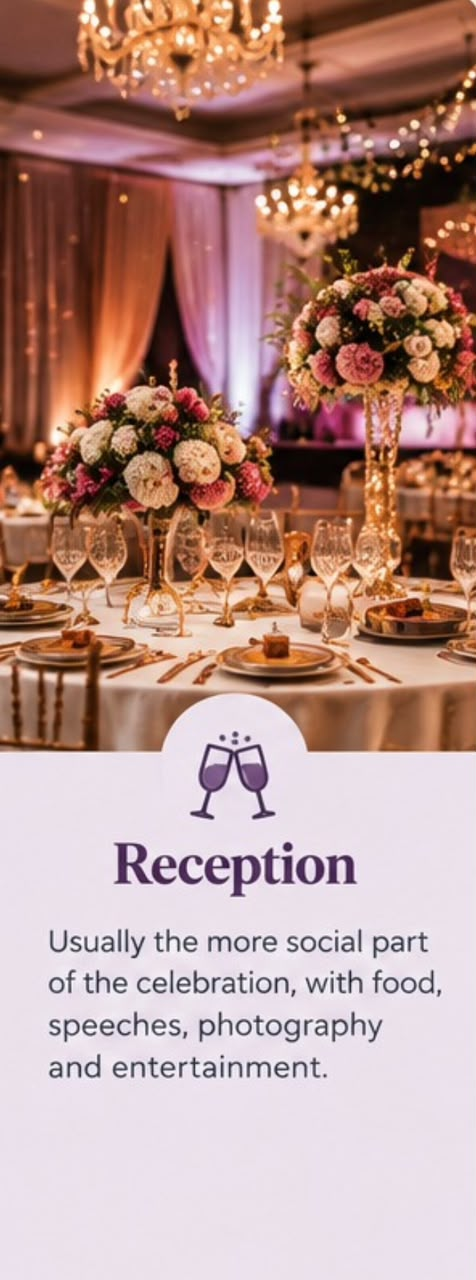
🥂 Reception Usually the more social part of the celebration, with food, speeches, photography and entertainment.
Not every couple will have all of these functions, so check your invitation carefully to see which events you are attending.
2. What Should You Wear? Think Bright, Festive & Appropriate 👗

Indian weddings are a great opportunity to dress up, and vibrant colours are often part of the celebration.
For women: Sarees, lehengas, shararas, Anarkalis and Salwar Kameez are popular choices.
For men: Kurtas, Kurta sets, Sherwanis or other traditional formalwear are suitable options.
If the event is held at a temple, gurdwara or other religious venue, remember that there may be additional dress requirements. You may need to cover your shoulders or legs, and some venues may require head coverings or shoes to be removed.
What colours should you avoid?
🤍 White can traditionally be associated with mourning or funerals in some Indian communities, so an all-white outfit may not be the safest choice unless the couple has specifically requested it.
🖤Black can also be viewed as less appropriate for some traditional or religious celebrations, although this varies between communities and modern weddings.
🌈When in doubt, bright and festive colours are generally a safer choice, while following the couple's stated dress code or wedding theme.
3. How Much Should You Put in the Ang Bao? 💌
There isn't one fixed amount that everyone is expected to give at an Indian wedding.
Your ang bao can depend on your relationship with the couple, the type of celebration and the venue. A monetary gift is generally acceptable, and there is no strict "market rate" that applies to every Indian wedding.
You may also hear about giving an amount that ends in 1, such as S$51, S$101 or S$151, which is sometimes considered auspicious.
But traditions differ, so don't stress too much about getting the "perfect" amount. Give what feels comfortable for you and your relationship with the couple.
4. Check the Venue & Religious Etiquette 🙏

The venue can tell you a lot about what to expect.
An Indian wedding may take place at a temple, gurdwara, hotel, restaurant or other event venue, and each setting may have different etiquette.
For example:
You may need to remove your shoes.
Some religious venues may require your shoulders and legs to be covered.
A Sikh religious ceremony may require guests to cover their heads.
Photography or certain behaviour may be restricted during religious rituals.
Some ceremonies can last several hours, so plan your schedule accordingly.
If you're unsure, check the invitation or ask someone from the wedding party beforehand.

5. What Food & Drinks Should You Expect? 🍛🥂

Food is a big part of Indian wedding celebrations, but the menu can vary depending on the family's cultural background and the type of wedding.
For example, North Indian and South Indian weddings can have quite different food selections. You can generally expect a wide variety of dishes, including both vegetarian and non-vegetarian options, with buffet-style dining being common at wedding receptions.
What about alcohol?
Don't assume alcohol will be served.
Alcohol may not be available during the religious wedding ceremony. It may instead be served during the reception or Sangeet, depending on the couple, family and venue.
Some families may also choose to keep the entire wedding alcohol-free. So if you're attending a multi-day celebration, it's best to check which event you're going to rather than assuming every function will have the same food and drinks.
6. What Should You Do With Your Outfit After the Wedding? 🧺

After a full day of celebrations, your outfit may have picked up more than just memories.
Sweat, perfume, makeup, food, drinks and dust can all leave marks on traditional garments — especially after a long wedding day in Singapore's warm and humid weather.
This is particularly important for:
Silk sarees
Heavily embroidered lehengas
Embellished sherwanis
Traditional costumes
Garments with beads, sequins, pearls or delicate decorations
Before putting the outfit away, check for makeup marks, food or drink stains, perspiration and loose embellishments. Always check the care label first, as different fabrics and decorations may require different cleaning methods.
When should you consider professional cleaning?
Not every outfit needs professional cleaning after every wear. However, professional garment care can be worth considering for delicate, heavily embellished or valuable traditional clothing, especially when you're unsure how to clean the fabric without affecting its colour, shape or decorations.
For an outfit you'll be wearing again for another wedding, storing it clean and properly cared for can also help keep it looking its best.
Keeping Your Outfits Looking Their Best 🧡
From sarees and lehengas to sherwanis and other traditional garments, special-occasion clothing often needs more care than everyday wear.
If your wedding outfit needs cleaning before or after the celebration, Cloud Story Laundry & Dry Cleaner can help you determine the appropriate cleaning option based on the garment and its care requirements.
Because some wedding outfits aren't just clothes — they're part of the memories.
Cloud Story Laundry & Dry Cleaner Your trusted dry cleaner.


Comments